Jumbo Loans in Somerset County: Far Hills Buyers’ Guide
December 4, 2025
December 4, 2025
Are you eyeing a Far Hills estate and wondering how jumbo financing will shape your search and offer? In Somerset County, many luxury homes sit above standard loan limits, so the right jumbo strategy can be the difference between winning and waiting. You want clarity on what lenders expect, how appraisals work for unique properties, and how to structure a strong offer without unnecessary risk. This guide gives you practical steps tailored to Far Hills, so you can move with confidence. Let’s dive in.
Jumbo mortgages are loans that exceed the conforming loan limits established each year by the Federal Housing Finance Agency. Conforming loans can be purchased by Fannie Mae or Freddie Mac, while jumbos cannot. Because lenders keep more risk on their books with jumbos, they usually require stronger credit, more documentation, and larger cash reserves.
Since limits change every year and can vary by county, always verify the current threshold on the FHFA’s official conforming loan limits page. You can check county limits and the national baseline in one place on the FHFA site. To plan your budget, confirm whether your target price in Somerset County would require jumbo financing by reviewing the current year’s table on the FHFA’s conforming loan limits resource.
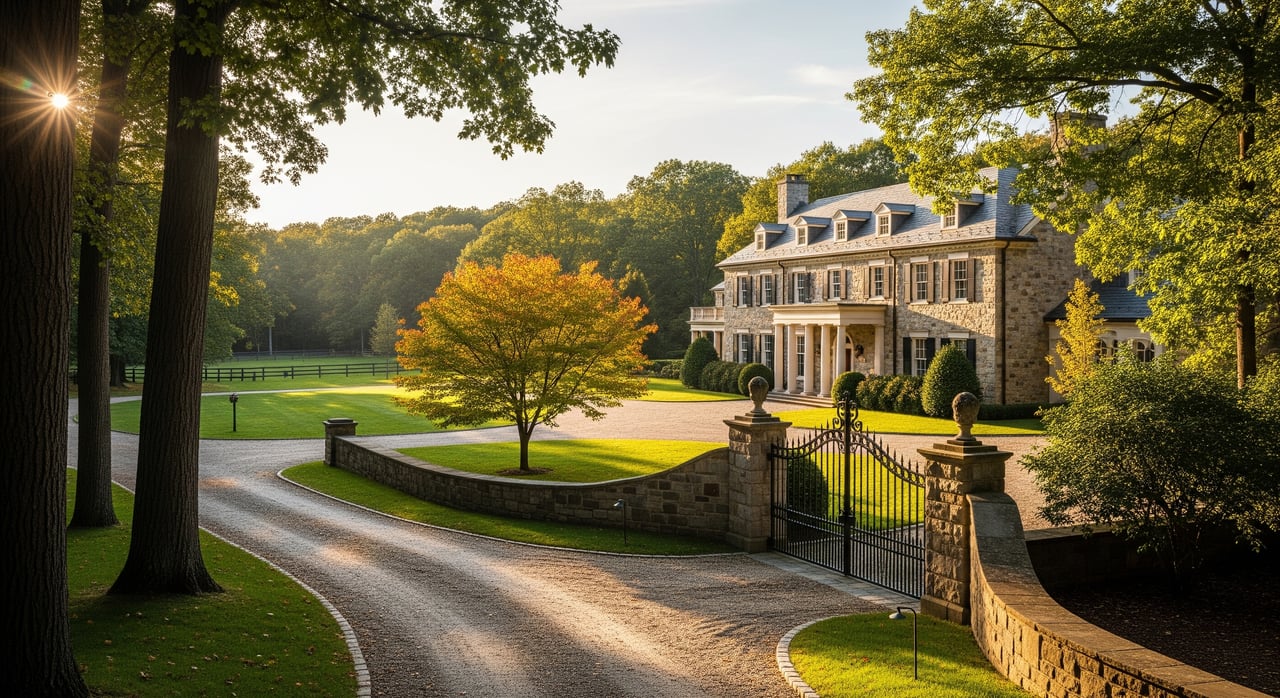
Far Hills is known for large lots, historic estates, and equestrian properties. These features often place sale prices above standard conforming limits, which means jumbo financing is common. Properties can be highly unique, which affects valuation and underwriting.
Appraisals can be more complex when there are limited comparable sales or specialized features such as guesthouses, stables, or significant acreage. Lenders may ask for a full interior and exterior appraisal, and sometimes a second review or a specialist appraiser for acreage or historic homes. Being ready for a more detailed appraisal process helps you set realistic timelines and mitigate surprises.
Jumbo lenders review risk with more scrutiny. Here is what to expect and what to prepare.
For the best pricing, many lenders look for mid-700 credit scores. Some will consider scores near 700 with strong compensating factors, such as high liquid reserves, low debt, or a larger down payment. Clean payment history and low revolving utilization are important.
For a refresher on the mortgage process and documentation, review the Consumer Financial Protection Bureau’s Owning a Home guide, which outlines documents and steps from application through closing.
You will verify assets with bank, brokerage, and retirement account statements. Lenders source large deposits and down payment funds, and gift funds may be allowed with specific documentation. Jumbo loans often require 6 to 12 months of PITI reserves, and sometimes more for higher loan-to-value ratios, self-employment, or uncommon property types.
Common jumbo structures range from 65 percent to 80 percent LTV, which means 20 to 35 percent down for competitive terms. Some portfolio lenders can approve higher LTVs for well-qualified buyers, but pricing and reserve requirements reflect the added risk. Prepare for 20 percent or more down if you want a wider set of lender options.
Lenders often target a 43 to 50 percent DTI ceiling for jumbos. If your profile includes excellent credit, strong cash reserves, or substantial net worth, some lenders may approve higher DTIs. Lower overall debt and larger liquid reserves strengthen your file.
Estate properties in Far Hills are not always easy to value. Your lender may:
If the appraisal is below the contract price, you can increase your cash down payment, negotiate a price adjustment, or work with your agent and lender to request a reconsideration of value with additional comparable sales.
Jumbo rates have historically carried a modest premium over conforming loans. In some markets and periods, spreads are small, while in others they widen. The exact difference changes often. For current rate context, review the Freddie Mac Primary Mortgage Market Survey, then compare actual quotes from your lenders based on your profile, loan size, and property type. Relationship banks sometimes match or beat broader market pricing for well-qualified clients.
Expect the potential for higher origination or appraisal fees with jumbos, especially if a specialist appraiser is needed. Mortgage insurance is generally not available for high-LTV jumbos, which is one reason many buyers plan for at least 20 percent down.
A true pre-approval or conditional commitment letter that specifies the loan program and conditions carries more weight than a basic pre-qualification. In a competitive Far Hills negotiation, that difference matters. Strong pre-approval reduces seller concerns about financing.
Luxury sellers value certainty. Shorter financing contingencies or appraisal timelines can make your offer stronger, but they increase risk if the loan is delayed or the appraisal is short. Discuss timelines with your lender before you write, and align your offer with what is realistic for a jumbo appraisal and underwriting review.
With unique properties, recent comparable sales are limited. To plan for an appraisal shortfall, consider:
Begin your jumbo pre-approval early. Documentation and appraisal scheduling can take longer, especially for estates with acreage or specialty features. Keep your financial packet ready and avoid new large purchases or credit inquiries while you are getting approved. The CFPB’s Owning a Home resource can help you organize your documentation and expectations.
Use this checklist to get ready before your first Far Hills tour.
Buying in Far Hills means navigating properties that are as distinctive as the landscape. A thoughtful jumbo strategy can help you move quickly when the right estate hits the market. With neighborhood-level insight and a consultative approach, you can align lender expectations, appraisal needs, and offer structure from the start. If you want a clear plan for documentation, timing, and negotiation in Somerset County’s luxury segment, reach out for tailored guidance and local context.
Ready to tour Far Hills with a confident financing strategy and a strong offer plan? Connect with a local advisor who understands estate appraisals, jumbo underwriting expectations, and the rhythms of Somerset County luxury. Let’s talk about your goals and build your path forward with Karen J Gray Realtor.
Review FHFA conforming loan limits | Explore CFPB’s Owning a Home guide | See Freddie Mac’s PMMS rates


Working with Karen means partnering with a trusted advisor who brings market expertise, thoughtful strategy, and a client-first approach to every transaction. Known for her professionalism, attention to detail, and calm guidance, Karen ensures a seamless experience from the first conversation through closing.