Buying a home in Long Hill is exciting, but the first few days after your offer is accepted can feel confusing. You may hear about New Jersey’s attorney review and wonder what it means for your deal. You want to protect your interests, keep your timeline on track, and avoid surprises at closing. In this guide, you’ll learn exactly how attorney review works in New Jersey, what to expect in Long Hill and Morris County, and the steps to take so you can move forward with confidence. Let’s dive in.
NJ attorney review basics
Attorney review is a short period built into most New Jersey residential contracts. It gives you and the seller three business days to have attorneys review the signed contract, request changes, or cancel. The purpose is to clarify terms, add needed protections, and make sure both sides agree before the contract becomes fully binding.
This review applies to the standard NJ REALTORS residential forms widely used across the state. Even if one side does not hire an attorney, the standard three-business-day cancellation right still exists in the contract language. Most buyers choose to work with a New Jersey real estate attorney to make full use of this period.
When review starts and ends
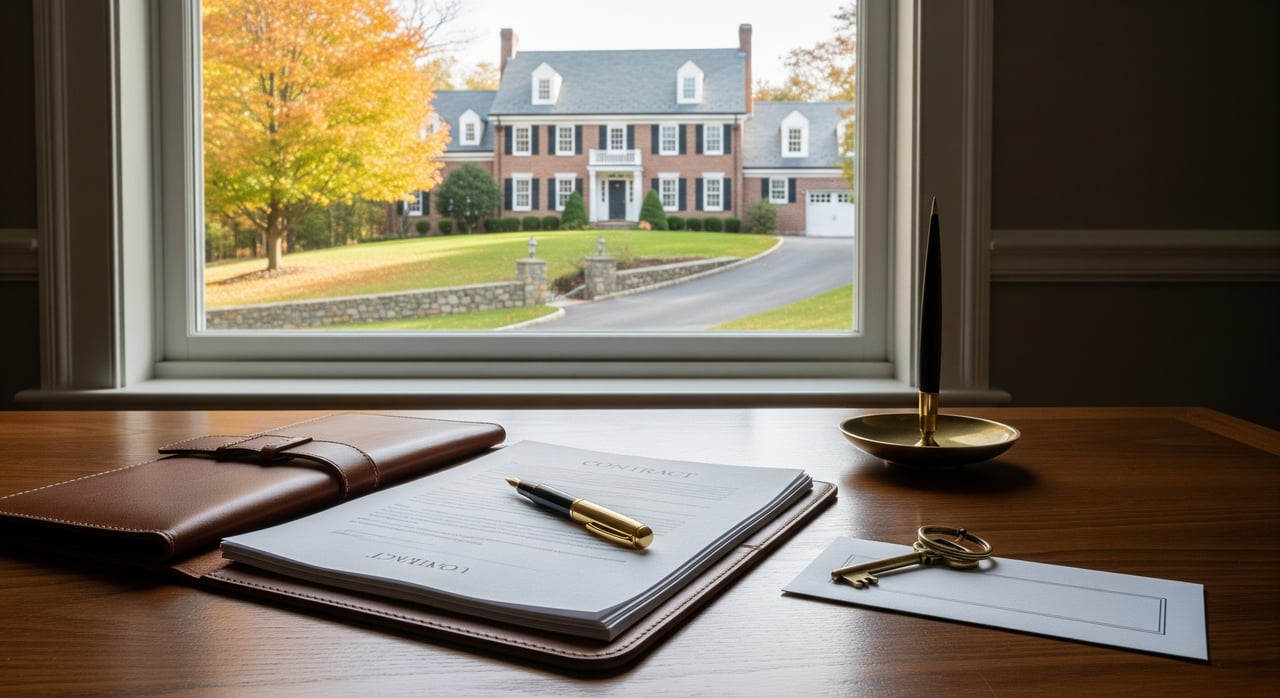
Attorney review begins the day both you and the seller sign and exchange the contract. The clock runs for three business days. During this time, either attorney can send a written notice canceling the contract for any reason. If neither attorney cancels within the three business days, the contract becomes binding as written or as amended by any agreed changes.
Step-by-step: how it works
-
Offer accepted and contract signed
- You and the seller sign the purchase contract, then exchange copies. Attorney review starts. Confirm the date on the fully executed contract since that date triggers the review window.
-
Attorneys review and advise
- During days 0 to 3, your attorney reads the contract and any riders, checks for missing or unclear clauses, and proposes changes. They typically address inspection scope, mortgage and appraisal contingencies, title and survey terms, closing date, deposit handling, and local requirements.
-
Negotiation during review
- Attorneys exchange letters or edits with proposed changes. Both sides can accept or counter. If you agree on updates within the three-day window, your attorneys attach an addendum or updated version for all parties to sign.
-
Binding contract
- If no attorney cancels within three business days, the contract becomes binding. The deadlines for inspections, mortgage commitment, appraisal, title, and closing now control the rest of your transaction.
-
If the contract is canceled
- A timely attorney cancellation makes the contract void as if it never took effect. Earnest money handling follows the contract and escrow terms. If you still want to buy the home, you would need to negotiate a new offer.
Key protections to secure
Your attorney will often focus on these buyer-side protections during review:
-
Financing contingency
- Set your mortgage commitment date to match your lender’s process and include what happens if approval is delayed. Many contracts include a cure period so you are not at risk if underwriting needs a few extra days.
-
Inspection contingencies
- Define what you will inspect and by when. Typical items include general home, radon, termite or pest, chimney, and specialized inspections such as mold or structural. In many Long Hill-area homes, septic inspection and well water testing are common.
-
Appraisal contingency
- Outline options if the appraisal comes in below contract price. Your attorney can define a path for price renegotiation, a seller credit, or your right to cancel.
-
Title and survey
- Confirm timing for receiving title work, how title defects will be handled, and whether a new survey is required. Clarify who resolves exceptions and by when.
-
HOA or condo documents
- If you are buying with an association, add a timeline to review bylaws, budgets, meeting minutes, and resale certificates. Include a clear right to cancel for unacceptable rules or assessments.
-
Well and septic
- For properties with private systems, add septic and well testing, and require any available seller documents. Define responsibilities if repairs or remediation are needed.
-
Sale-of-home contingency
- If you must sell your current home first, set firm deadlines and proof requirements so expectations are clear for both sides.
-
Other local items
- Confirm municipal compliance items such as smoke and carbon monoxide detector certifications. Address deed type, prorations, and closing logistics.
Typical timelines to expect
Your exact schedule depends on the property, lender, and both parties’ needs, but these ranges are common in New Jersey:
- Attorney review: 3 business days after both parties sign.
- Home inspections: often 7 to 14 calendar days after attorney review ends.
- Appraisal: typically scheduled within 1 to 3 weeks of loan application.
- Mortgage commitment: often 30 to 45 days from the binding contract date.
- Title search and clearance: runs alongside the loan process and can take several weeks.
- Contract to closing: commonly 30 to 60 days, depending on financing, title, municipal certificates, and scheduling.
If any deadline needs more time, your attorney can negotiate a written extension. Make sure extensions are documented and signed by both parties.
Local issues in Long Hill and nearby towns
How to get ready as a buyer
Mistakes to avoid
-
Waiting to hire an attorney
- The clock starts as soon as the signed contract is exchanged. Having your attorney ready helps you use every hour of the three-day window.
-
Vague or missing contingencies
- Be specific about inspection scope, mortgage timing, and appraisal protections so you know your rights if issues arise.
-
Skipping septic or well tests
- If the property uses private systems, testing is a critical part of your due diligence.
-
Missing deadlines
- Put all dates on your calendar. If you need more time, ask your attorney to request a written extension before the deadline.
-
Not coordinating title details
- Discuss surveys, easements, and exceptions early so title work does not delay closing.
Your local support team
You do not have to navigate attorney review alone. With a locally grounded team that understands Long Hill’s norms and nearby market practices, you can move from offer to closing with clarity. You get guidance on timelines, inspection priorities, municipal steps, and the coordination needed with your lender, attorney, and title company.
If you are planning a move into or within Long Hill or nearby Morris and Somerset County towns, let’s talk about your goals and the right game plan for attorney review and beyond. Connect with Karen J Gray Realtor to get started.
FAQs
How long is attorney review in New Jersey?
- The standard period is three business days after both parties sign and exchange the contract.
Can I cancel during attorney review without a reason?
- Yes, either party’s attorney may cancel for any reason within the three-business-day window by written notice.
What if I do not hire an attorney?
- The three-business-day cancellation right still exists under the standard contract, but most buyers hire a New Jersey real estate attorney to negotiate protections effectively.
Can attorney review be waived or shortened?
- It can be modified by mutual written agreement, but the three-business-day period is the common practice in New Jersey.
What happens to my deposit if the contract is canceled in review?
- A timely attorney cancellation typically voids the contract and deposits are returned according to the contract and escrow terms.
Can I back out after attorney review ends?
- After review expires, the contract is binding and you may cancel only under specific contingencies, or by mutual agreement with the seller.
What do attorneys usually charge for review?
- Many New Jersey real estate attorneys use a flat fee for residential contract review, with the exact cost varying by market and complexity. Ask what the fee covers before you hire.