Are you trying to match the right Basking Ridge neighborhood with the right school experience for your kids? It can feel like a lot to juggle when you also need a manageable commute and a home that fits your day-to-day. You want clear, practical guidance that helps you compare areas without guesswork. This guide breaks down how Bernards Township schools are organized, what to look for when comparing programs, and how different Basking Ridge neighborhoods line up with family priorities. Let’s dive in.
How Bernards Township schools are organized
Bernards Township serves Basking Ridge with a single K–12 public school district. Elementary school assignments are based on your address, and middle and high schools draw from wider parts of the township. Exact grade configurations and school names can change over time, so always confirm on the district website.
Elementary assignment affects your daily routine the most. It influences walkability, pick-up logistics, after-school care, and your neighborhood network. Middle and high schools matter for advanced coursework, arts, and athletics. They also shape your child’s schedule for practices, performances, and evening events.
Busing eligibility usually depends on distance from school and grade level. The district outlines eligibility rules, pick-up points, and any late-run options for activities. Before you buy, check the latest transportation guidelines and school calendars to see how your routines will look across a full year.
Property taxes fund the local schools and vary by property. Comparing recent tax bills and the municipal tax rate helps you understand the long-term cost of ownership. If you are weighing two neighborhoods, include property tax differences in your monthly budget.
What determines your elementary school
Your assigned elementary school depends on your street address. Attendance zones are set by the district and can be updated. Use the district’s attendance maps or lookup tool to confirm a property’s assignment before you make an offer.
Middle and high school pathways
Middle and high schools serve larger areas of the township. That means location inside Bernards Township matters less for access to programs, but it still matters for extracurricular logistics. Proximity to campus can make a big difference when you have evening practices or performances.
What to consider when comparing schools
You have a lot of information sources. Use them together to build a full picture.
- Academic outcomes: Review New Jersey Department of Education School Performance Reports for enrollment, assessment results, attendance, and graduation indicators.
- Programs: Scan school and district pages for AP and honors courses, STEM and robotics, world languages, arts and theater, and special education services.
- Class size: Look at student-teacher ratios from federal data and district reports, then ask schools about actual class sizes by grade.
- Extracurriculars and athletics: Check club lists, music programs, theater schedules, sports offerings, and any booster or PTO involvement.
- School climate: Read principal communications and PTO updates, visit during an open house, and talk with local families about daily routines and culture.
Keep context in mind. Ratings and test scores reflect many factors and can lag behind recent changes. Small differences between elementary schools are often less important than program fit, location, and community engagement.
Basking Ridge neighborhood types at a glance
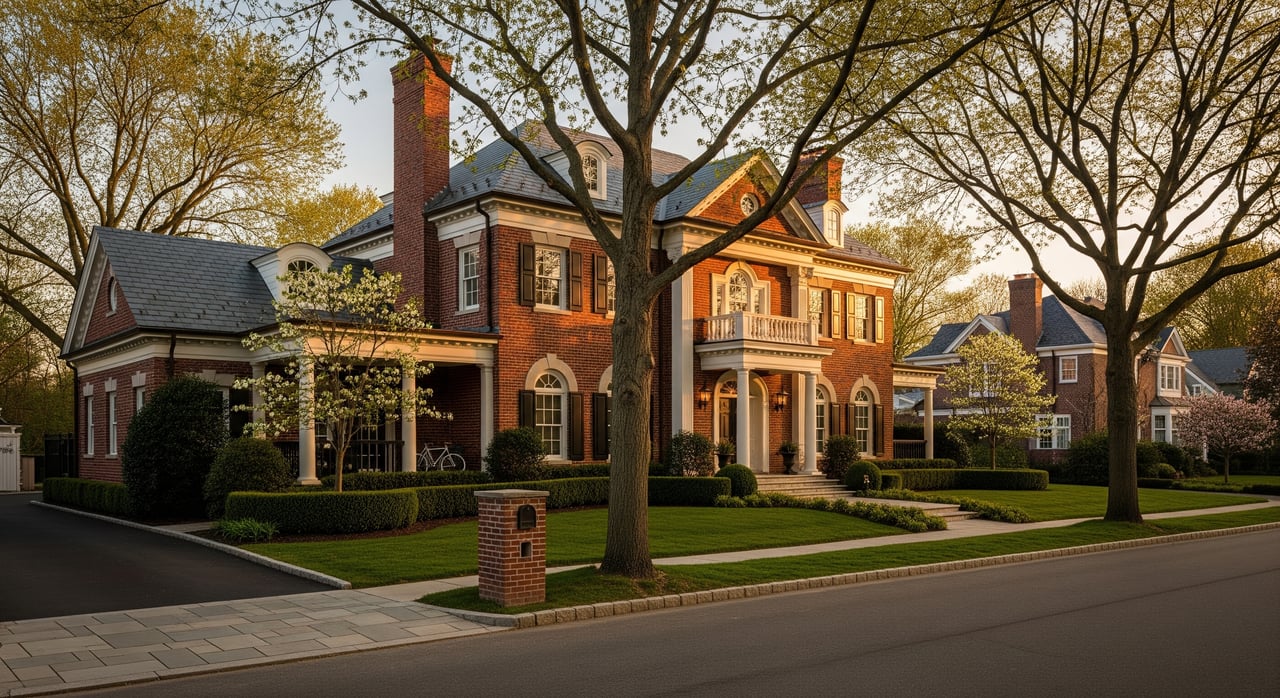
Basking Ridge includes a mix of historic areas, classic suburbs, newer subdivisions, and adjacent hamlets within Bernards Township. Each area suits a different set of family priorities.
Historic village and walkable center
- What you’ll find: Older Colonial and Victorian homes, sidewalks, a village green, and proximity to shops and town events.
- Good fit if you value: Walkability to school, short drop-offs, and a strong sense of place.
- Tradeoffs to consider: Smaller yards, older home systems, and potential renovation projects.
Planned subdivisions and mid-century suburbs
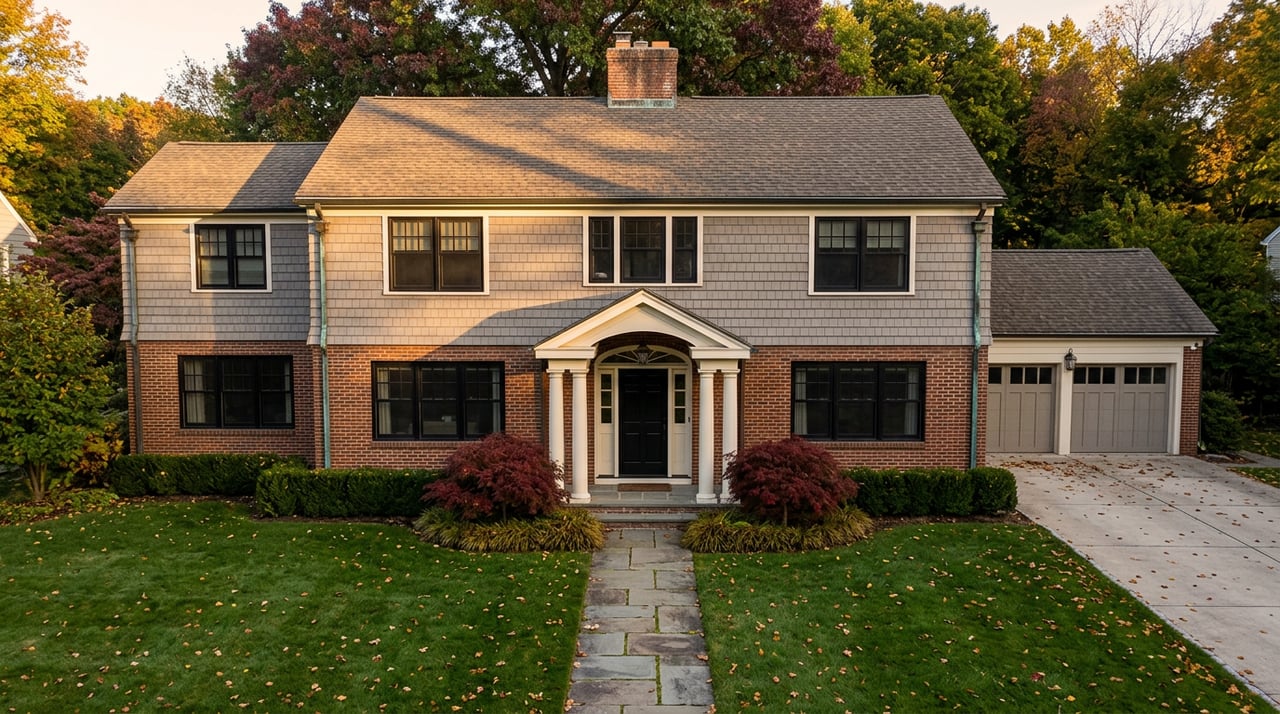
- What you’ll find: Single-family homes on modest-to-large lots, cul-de-sacs, playgrounds, and sometimes neighborhood pools or associations.
- Good fit if you value: More interior space, larger yards, and organized neighborhood activities.
- Tradeoffs to consider: Longer walking distances to elementary schools and more car dependence.
Upscale estates and newer luxury developments
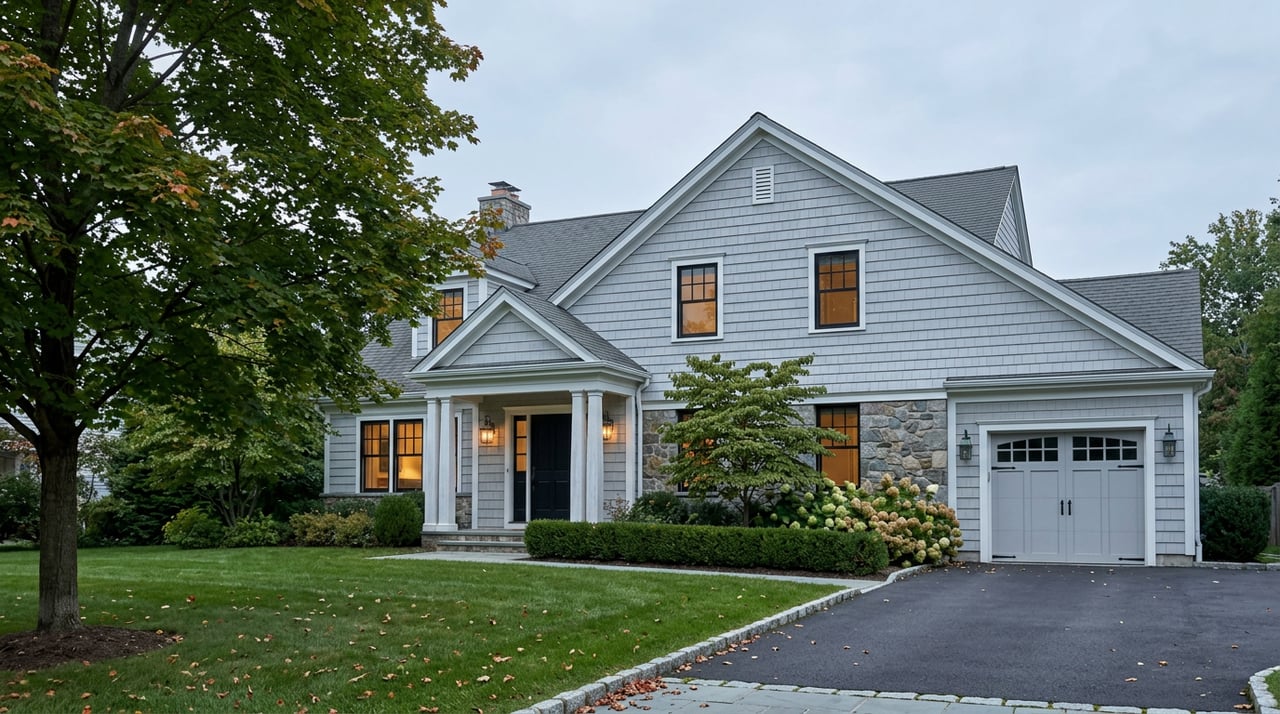
- What you’ll find: Newer construction, larger homes and lots, flexible floor plans with home offices, and higher price points.
- Good fit if you value: More space for work and play, modern systems, and premium finishes.
- Tradeoffs to consider: Higher property taxes and possible distance from the village center or schools.
Adjacent hamlets within the township
- What you’ll find: Distinct areas like Liberty Corner and Lyons with small commercial nodes and their own neighborhood feel.
- Good fit if you value: A unique identity, connections to specific highways, or shorter trips to certain transit options.
- Tradeoffs to consider: Elementary assignments vary by street, and program details can differ by school. Always confirm.
Match your priorities to the right area
Start with what matters most for your family, then filter neighborhoods accordingly.
- If walkable elementary access is top priority: Focus on homes within walking distance of your preferred elementary. Verify the attendance zone before you tour.
- If you want more space and newer systems: Look to newer subdivisions and luxury developments on the outskirts of Basking Ridge. Check bus routes and pick-up points.
- If high school programs drive your decision: Most neighborhoods feed into the same township high school. Focus on commute and proximity for evening activities rather than elementary boundaries.
- If you need a shorter commute: Identify neighborhoods with easy access to I-78, I-287, and the closest NJ Transit rail options. Balance commute convenience with school proximity and after-school logistics.
- If you are watching monthly costs: Compare property taxes for similar homes in different neighborhoods. Tax differences can change your monthly payment.
Commute patterns and family logistics
Many residents drive to jobs along I-78 or I-287 or commute by rail. Transit access can reduce your weekday stress and help you arrive on time for pick-ups.
Common commute choices
- Drive to work: Expect peak-hour traffic on major corridors. Plan for how that affects after-school activities.
- Rail commuting: Some families use nearby NJ Transit stations to reach New York City or Hoboken. Station proximity and parking vary by neighborhood.
- Park-and-ride or bus: A drive-plus-bus routine can work well if parking near rail is limited.
- School transportation: Verify busing eligibility and any late activity buses if your child participates in after-school programs.
How commute and school schedules interact
A long commute can complicate pick-ups. If you cannot arrive early, prioritize locations with walking access or quick drives to your assigned elementary. Look at school start and end times, the availability of before-care and after-care, and whether enrichment or extended-day programs are offered at your school.
A practical research checklist
Use this step-by-step plan to evaluate homes and neighborhoods with confidence.
- Confirm the assigned elementary school for any property using the district’s attendance maps or lookup tool.
- Read the most recent NJDOE School Performance Report for each assigned school to review enrollment, assessments, attendance, and graduation or AP data.
- Review school pages for program offerings, including AP and honors, STEM and robotics, world languages, arts, and special education.
- Check PTO or PTA pages and newsletters to gauge parent engagement and upcoming events.
- Visit schools in person. Attend an open house, schedule a tour, and observe arrival and dismissal routines.
- Talk with families in the neighborhood or parent groups to learn about after-school care, pickup logistics, and general school culture.
- Verify busing eligibility and bus stop locations. Ask about late-run or activity buses for extracurriculars.
- Test commute times during peak hours to your most common destinations and see how they align with pick-up schedules.
- Compare property tax bills for candidate homes and factor the differences into your monthly budget.
- Scan township planning and meeting minutes for upcoming projects that may influence schools or traffic patterns.
Putting it together with expert guidance
There is no single “best” neighborhood for every family. The right choice balances your child’s needs with your home wish list and your daily schedule. When you combine verified school data with on-the-ground neighborhood knowledge, you can make a confident decision and avoid surprises after closing.
If you want a local partner to guide school assignments, attendance zones, commute tradeoffs, and property options, connect with a neighborhood specialist who lives and works in this market. Reach out to Karen J Gray Realtor for a tailored plan, school and neighborhood tours, and a clear path from short list to successful closing.
FAQs
How do school zones work in Bernards Township?
- Elementary school assignment is based on your street address, and middle and high schools serve larger areas of the township. Always verify current attendance maps before you buy.
Which Basking Ridge areas are most walkable to elementary schools?
- The historic village and nearby streets tend to offer more sidewalk access and shorter distances, but you should confirm the specific address and attendance zone with the district.
How can I confirm busing eligibility for my child in Basking Ridge?
- Check the district’s transportation guidelines for distance thresholds by grade and ask about bus stop locations and any late activity routes.
What neighborhood is best for rail commuters moving to Basking Ridge?
- The best fit depends on your station of choice and parking availability, so compare drive times from candidate neighborhoods to nearby NJ Transit stations during peak hours.
How do property taxes vary within Bernards Township?
- Property taxes are tied to the assessed value of each home and the municipal tax rate, so compare recent tax bills for any homes you are considering.
Where can I find official data to compare local schools?
- Review New Jersey Department of Education School Performance Reports along with district and school pages for programs, calendars, and registration details.