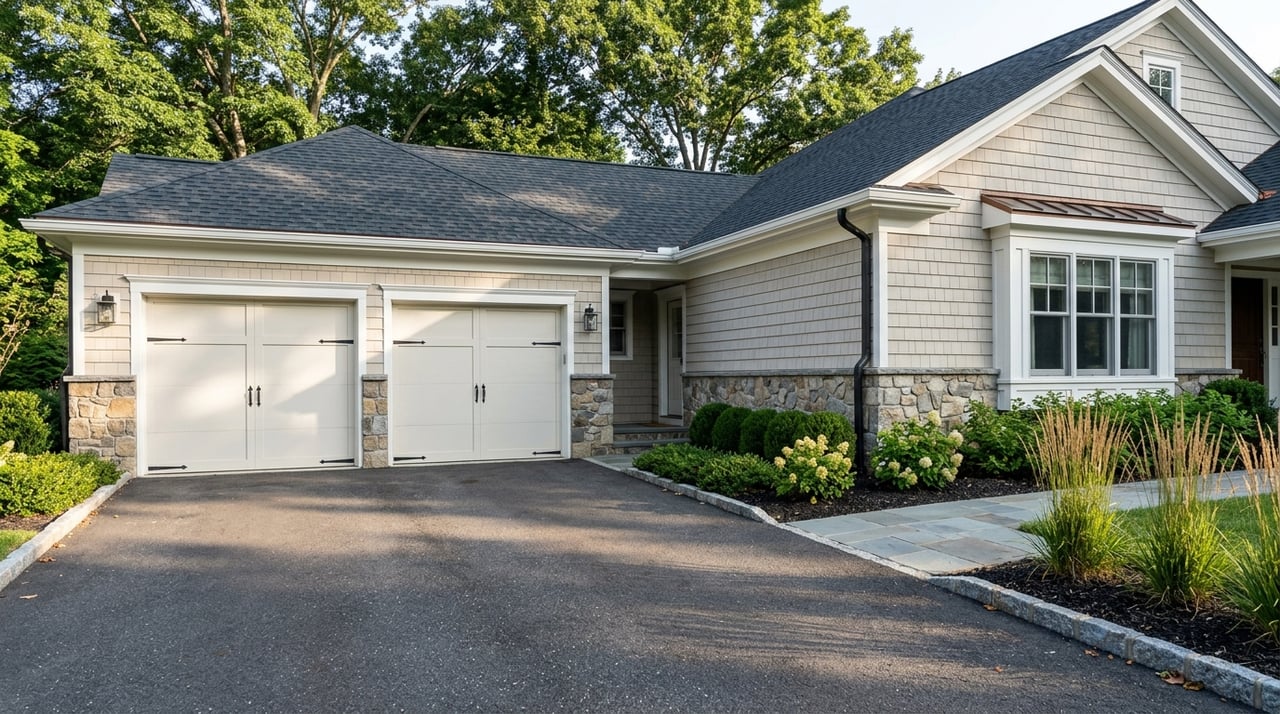
Basking Ridge vs Bridgewater Commute Guide for NYC
May 7, 2026
May 7, 2026
If your workweek still revolves around Manhattan, your New Jersey home search probably starts with one big question: how hard will the commute feel in real life? That is especially true when you are comparing two strong Central New Jersey options like Basking Ridge and Bridgewater. The good news is that both offer ways into New York City, but they do not deliver the same day-to-day experience. This guide breaks down the practical tradeoffs so you can decide which town fits your routine best. Let’s dive in.
For NYC commuters, the biggest difference is simple. Basking Ridge offers the more straightforward rail path to Midtown, while Bridgewater offers more parking capacity and a stronger backup bus option.
That does not mean one town is automatically better for every buyer. It means your best fit depends on what matters most to you: a cleaner train ride into Penn Station New York, or a more flexible park-and-ride setup with more room to park.
Basking Ridge station sits on NJ Transit’s Gladstone Branch within the Morris & Essex system. The current timetable is marked as Midtown Direct service to Penn Station New York, which gives this town a clear advantage for commuters who want a simpler rail routine.
The station also offers practical commuter amenities, including parking, Wi-Fi, and bike racks or lockers. There is no ticket agent on site, which is worth knowing if you prefer a more staffed station experience.
For some commuters, another plus is that Lakeland Bus Lines serves the Basking Ridge area on Route 78. Service includes stops at the Basking Ridge train station and the NJ Transit rail park-and-ride at Cross Road, which gives you an added option beyond the train.
The main appeal here is predictability. When your rail option is clearly framed as a Midtown Direct trip, it is easier to picture your weekday routine and plan around it.
That kind of consistency matters if you commute several times a week, have a tight morning schedule, or simply want fewer moving parts between home and Manhattan. For many buyers relocating from the city, that cleaner rail story is a major quality-of-life factor.
Bridgewater station is on NJ Transit’s Raritan Valley Line. The station includes parking, Wi-Fi, and bike racks or lockers, and like Basking Ridge, it does not have a ticket agent on site.
The key difference is the rail pattern. The current Raritan Valley timetable includes some one-seat ride service to Penn Station New York, but it also states that some trips require a transfer at Newark Penn Station for travel to and from New York.
That makes Bridgewater more variable for rail commuters. On some days, your trip may feel very efficient. On others, the need to transfer can add another step and make the overall experience less uniform.
Bridgewater’s strength is optionality. If you value having more than one practical way to start your commute, Bridgewater gives you a stronger fallback setup.
NJ Transit also lists Bus 114 at Bridgewater Commons Mall, creating a clearer commuter-bus park-and-ride option. For buyers who like backup plans or need flexibility when train timing is not ideal, that can be a meaningful advantage.
If your main destination is Penn Station New York, Basking Ridge is the simpler rail commute based on the current weekday timetable. Its Midtown Direct service is the clearest fit for a commuter who wants a more straightforward ride into Midtown.
Bridgewater can still work well, especially on one-seat trips. But because some Raritan Valley Line service requires a transfer at Newark Penn Station, the rail experience is less consistent across the schedule.
In plain terms, Basking Ridge is usually the more predictable train choice for Manhattan-bound commuters. Bridgewater can be comparable on the right train, but it asks you to pay closer attention to schedule details.
Parking may be the deciding factor if you drive to the station. This is where the two towns separate quickly.
Basking Ridge station parking is relatively small and permit-based. Lot 1 has 53 standard spaces and Lot 2 has 36, for a total of 89 spaces.
Bridgewater station has a much larger parking supply. Its East Main Street lot has 467 spaces, with daily and permit parking available at $4 per day or $150 per quarter.
At Basking Ridge, the smaller parking footprint matters for daily commuters. Lot 1 uses permit parking and does not allow parking after 9 p.m. or overnight.
Lot 2 is also permit-based, but parking is allowed in the evenings and overnight. Lot 1 also lists weekends as free, which may matter if you use the station outside the traditional workweek.
Bridgewater’s larger lot gives commuters more breathing room. That can be a real advantage if your morning schedule varies or you do not want parking availability to feel like another daily stress point.
The station page notes that evenings, nights, and weekends must be paid, and on-street parking is not allowed. So while the lot is much larger, the paid structure is an important part of the calculation.
When you compare commuter towns, it helps to think beyond the train. Delays, schedule changes, and personal preferences all make backup options important.
Bridgewater has the clearer non-rail fallback for many NYC commuters. Bridgewater Commons Mall serves as an NJ Transit Route 114 stop to Port Authority Bus Terminal, giving the town a defined commuter-bus park-and-ride option.
Basking Ridge also has meaningful bus access, but the setup is a bit different. Lakeland Route 78 serves the Basking Ridge corridor, including the train station and the Cross Road rail park-and-ride, which is helpful but less of a single, centralized commuter-bus story.
If you are hoping for one perfect commute-time number, the better answer is a range. The total trip depends on where your home is located, whether you drive or use a park-and-ride, which train you catch, and whether that train is direct or requires a transfer.
That is why it is more accurate to compare the commute pattern than to chase a single minute count. Basking Ridge tends to offer the more predictable Midtown rail experience, while Bridgewater offers a more mixed but flexible setup.
For buyers making a move from New York City or another close-in market, this difference often matters more than a small timing gap on paper. A commute that feels easier to repeat every week can shape your home choice just as much as square footage or lot size.
Both towns can work for NYC professionals, but they serve different priorities.
When you are choosing between Basking Ridge and Bridgewater, the smartest move is to match your home search to how you actually commute. A beautiful home loses some shine if the first and last mile of your workday feels harder than expected.
That is why local guidance matters. The right comparison is not just town versus town. It is how a specific neighborhood, home location, and station access pattern fit your weekly schedule.
If you are balancing commute needs with your next move in Central New Jersey, working with someone who understands local housing choices and the practical side of relocation can save you time and help you narrow the field faster.
Ready to talk through Basking Ridge, Bridgewater, and the neighborhoods that best fit your NYC commute? Connect with Karen Gray for thoughtful, local guidance tailored to your move.


Working with Karen means partnering with a trusted advisor who brings market expertise, thoughtful strategy, and a client-first approach to every transaction. Known for her professionalism, attention to detail, and calm guidance, Karen ensures a seamless experience from the first conversation through closing.